Top-Rated canton top Synthetic Turf Installation
Top-Rated canton top Synthetic Turf Installation
Blog Article
Man-Made Turf Installation: The Eco-Smart Fix for Your Lawn
Installing synthetic turf provides a practical alternative for homeowners seeking a responsible yard answer. Its resilience and easy maintenance requirements yield considerable benefits compared to traditional grass. As water management turns ever more vital, artificial turf furnishes a practical reaction to environmental concerns. Yet, the decision to install artificial grass calls for multiple considerations that deserve rigorous review. Which aspects must homeowners examine before making the move to this green option?
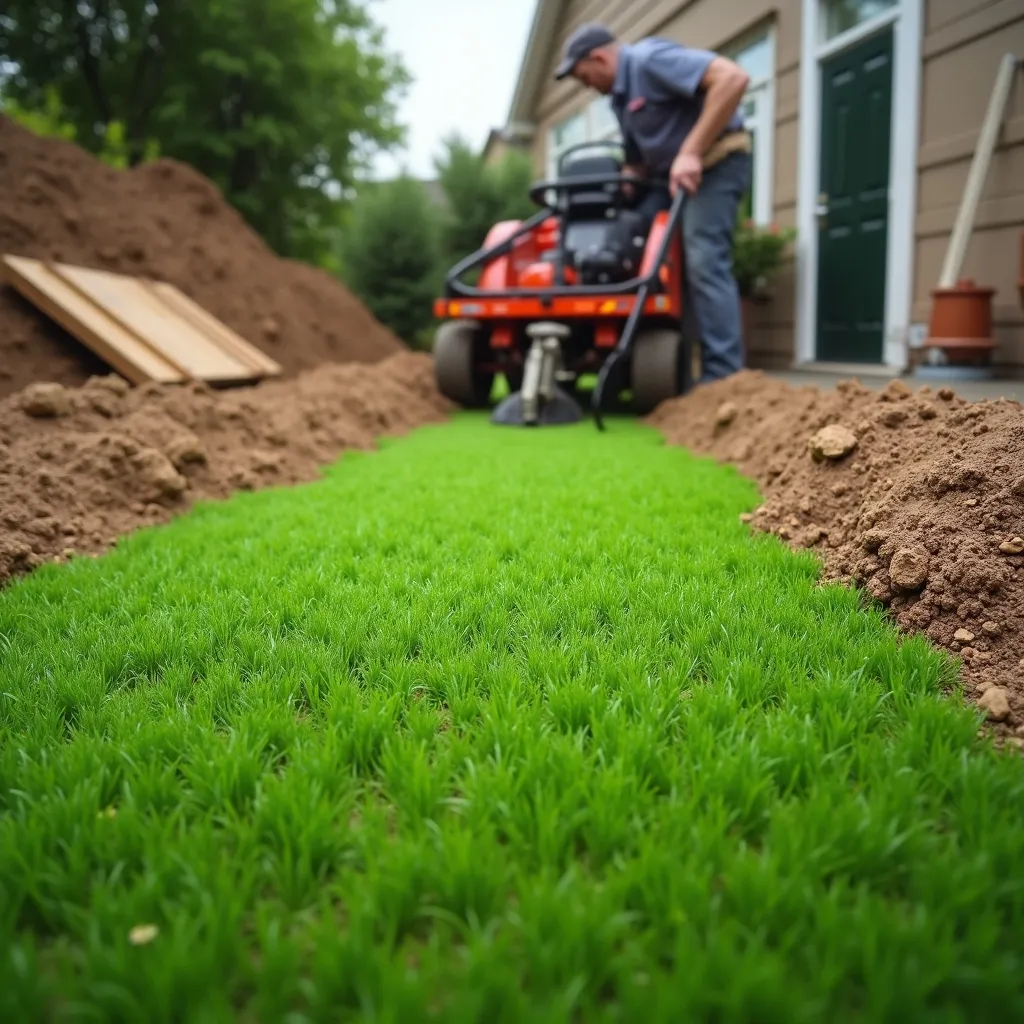
Understanding Synthetic Turf: Key Features and Advantages
Synthetic turf has emerged as a popular substitute to natural grass, presenting numerous benefits for various applications. One of its key features is durability; synthetic grass can handle heavy foot traffic and extreme weather conditions without deteriorating. This resilience makes it an ideal choice for sports fields, playgrounds, and residential lawns.
Furthermore, synthetic turf requires reduced upkeep in comparison to natural grass. There is no need to perform trimming, watering, or applying fertilizer, producing significant time and cost economies for homeowners and facility managers alike.
Additionally, fake grass is environmentally friendly, as it conserves water and avoids the need for hazardous chemicals and synthetic nutrients.
With progress in technology, modern synthetic turf reproduces the appearance and feel of natural grass, offering aesthetic appeal without the drawbacks. These features combined make synthetic turf a viable and attractive option for a wide range of uses.
Laying Down Synthetic Turf: A Step-by-Step Guide
When looking at the benefits of synthetic turf, the next logical step is understanding the installation process.
The opening stage entails site preparation, which consists of removing the area of present grass, weeds, and debris. Next, a foundation of crushed stone or aggregate is laid to guarantee proper drainage and stability. Following this, a protective fabric is installed to inhibit unwanted growth.
After creating the base, the synthetic turf rolls are unrolled and positioned, allowing for proper alignment. The edges are secured with stakes or adhesive, ensuring a seamless appearance.
After placement, a section of infill material, such as rubber or sand, is distributed uniformly to give stability and weight. Finally, the turf is groomed to raise the pile and achieve a natural look.
Following these steps results in a sturdy, easy-care lawn that improves both visual appeal and functionality.
Why Go with Synthetic Turf? Green and Useful Perks?
Installing synthetic turf provides numerous environmental and practical benefits that render it an appealing option for numerous homeowners and businesses. One major advantage is water conservation; artificial turf eliminates the need for regular watering, which is especially advantageous in arid regions.
Furthermore, it diminishes the dependency on damaging pesticides and fertilizers, promoting a healthier ecosystem.
From a practical angle, synthetic turf requires minimal maintenance, cutting hours and dollars on turf maintenance. It keeps green and lush throughout the year, providing a consistent visual allure without cyclical changes.
In addition, synthetic turf is resilient, capable of tolerating heavy foot traffic and various weather conditions, making it well-suited for both residential and commercial applications.
These attributes not only boost the utility of outdoor spaces but also promote enduring sustainability, making synthetic turf a persuasive selection for environmentally conscious customers.
Key Factors for Synthetic Turf Setup
Multiple factors must be considered before starting synthetic turf setup. First, it is essential to assess the intended application of the area. Various kinds of synthetic turf are engineered for specific uses, such as sports or residential landscaping.
Second, the local climate should be considered; some substances may withstand heat more effectively than others.
Site readiness is another crucial aspect, requiring adequate water management and a level surface to ensure longevity and performance. Additionally, potential regional rules or homeowners' association guidelines may impact installation decisions.
Picking the right infill product is vital for durability and comfort, as it determines both the look and feel of the turf.
Lastly, selecting a esteemed installer can greatly determine the performance and endurance of the undertaking. By addressing these elements, occupants can make informed conclusions that most ideally suit their needs and enrich their recreational spaces.
Keeping Your Synthetic Turf Lawn in Great Shape
A synthetic turf lawn needs a steady upkeep plan to guarantee that its longevity and appearance are preserved.
Regular upkeep includes tackling any spots and implementing repair techniques as necessary.
Stick to a routine housekeeping plan
Preserving the appearance and longevity of synthetic turf lawns depends on a regular maintenance plan. Regular maintenance helps avoid debris buildup, minimizes odors, and enhances aesthetic appeal.
Homeowners should attempt to clear leaves, twigs, and other decomposing matter at least once a week, especially during fall. Additionally, washing the turf with water monthly can help eliminate dust and allergens, guaranteeing a fresh look.
For busy zones, more frequent attention may be necessary to preserve the grass quality. In colder months, snow and ice should be gently cleared to avoid damaging the fibers.
Spotting and Repair Tips
Identifying and tackling issues promptly is essential for preserving the quality of synthetic turf lawns. Regular examinations should be conducted to spot signs of wear, such as rips, fraying, or uneven surfaces.
When a problem is detected, quick action is imperative. Minor tears can be addressed using custom adhesive or turf tape, guaranteeing a secure bond without compromising appearance. For larger issues, professionals may be needed to replace sections of turf.
Additionally, maintaining the base material intact is essential; any displacement can cause compounding issues. Consistent brushing helps preserve an even appearance and can also identify underlying problems.
Cost Comparison: Synthetic Turf vs. Natural Grass
When examining the costs of man-made grass to natural grass, initial installation expenses are significant.
In addition, extended maintenance costs can significantly affect the overall financial commitment of each option.
A comprehensive analysis of these factors reveals significant findings for prospective buyers.
First Installation Expenses
Initial installation costs play an essential role in the decision-making process for property owners and local governments considering synthetic turf versus natural grass.
Typically, the initial costs for synthetic turf can vary from $5 to $20 per square foot, depending on quality and installation complexity. In contrast, natural grass installation usually costs between $1 to $2 per square foot.
However, the aggregate investment in authentic lawn can grow considerably due to ground treatment, water distribution, and regular upkeep requirements.
Property owners and local authorities must compare these first-time expenses against the achievable future returns of artificial turf, such as curtailed water use and lower maintenance requirements.
In the end, recognizing these costs facilitates making knowledgeable, sustainable landscaping selections.
Long-Term Upkeep Expenses
Extended upkeep costs significantly influence the overall economic viability of synthetic turf compared to natural grass.
Maintaining natural grass necessitates persistent financial obligations, encompassing routine lawn mowing, ground nutrient treatment, consistent watering, and pest management, which can increase notably over time. Homeowners may allocate hundreds to thousands of dollars yearly to keep a vibrant lawn.
On the other hand, synthetic turf demands minimal maintenance, mainly occasional cleaning to remove debris. Although the initial investment in synthetic turf may be higher, the reduced ongoing costs make it an attractive alternative.
Furthermore, artificial grass eliminates water bills stemming from irrigation, further enhancing its long-term savings over time.
Ultimately, the financial advantages of synthetic turf upkeep can result in substantial savings for property owners in the long run.
Refuting Frequent Myths About Synthetic Turf
Although numerous individuals maintain misunderstandings about synthetic turf, learning the truth can bring about informed choices. One widespread myth is that synthetic turf is injurious to the environment; however, many items are made from recycled materials and are designed to be resilient, lessening waste.
A frequent notion is that synthetic turf requires substantial heat control, but modern installations often employ effective cooling technologies that alleviate temperature issues.
Additionally, some critics contend that artificial grass encourages synthetic chemicals; yet, advancements in materials have considerably reduced the need for dangerous infill substances.
Finally, the idea that synthetic grass cannot support biodiversity is deceptive; many installations can exist alongside with native plants, offering habitats for local wildlife.
Regularly Asked Questions
How Many Years Does Synthetic Turf Endure Before Demanding Replacement?
Synthetic turf generally remains viable between 15 to 25 years before requiring replacement. Aspects influencing longevity include quality, upkeep practices, and environmental factors, which can substantially affect its endurance and operational effectiveness over time.
Determining Whether Dogs and Cats Can Safely Use Synthetic Turf?
Pets can safely use synthetic turf, as it is created to be robust and safe. Consistent care guarantees tidiness, making it a practical option for pet owners seeking a low-maintenance, enjoyable outdoor space for their animals.
Can Synthetic Turf Absorb Heat During Sunny Weather?
Indeed, artificial turf does absorb warmth in sunny conditions, significantly elevating surface temperatures. This can lead to discomfort for both people and pets. Consistent irrigation or opting for lighter-colored turf can help mitigate this heat gain.
What Possibilities Do You Have for Synthetic Turf Pigments and Patterns?
There are synthetic turf varieties featuring colors such as vibrant greens, earthy browns, and distinctive shades. Styles extend from realistic imitations of natural grass to additional article decorative styles, appealing to diverse aesthetic preferences and functional needs.
How Does Synthetic Turf Affect Local Wildlife?
Man-made turf can interfere with local wildlife by altering habitats and reducing natural nutrition availability. Its lack of flexibility may discourage certain species from nesting or foraging, potentially leading to reduced species diversity in the impacted regions.
Report this page